

When Words Are NOT Enough
Art Therapy & Psychotherapy
Creative, trauma-informed therapy for children and adults who may find emotions, transitions, or difficult experiences hard to put into words - including neurodivergent clients.

About
Art Therapy
Art Therapy Is More Than Making Art
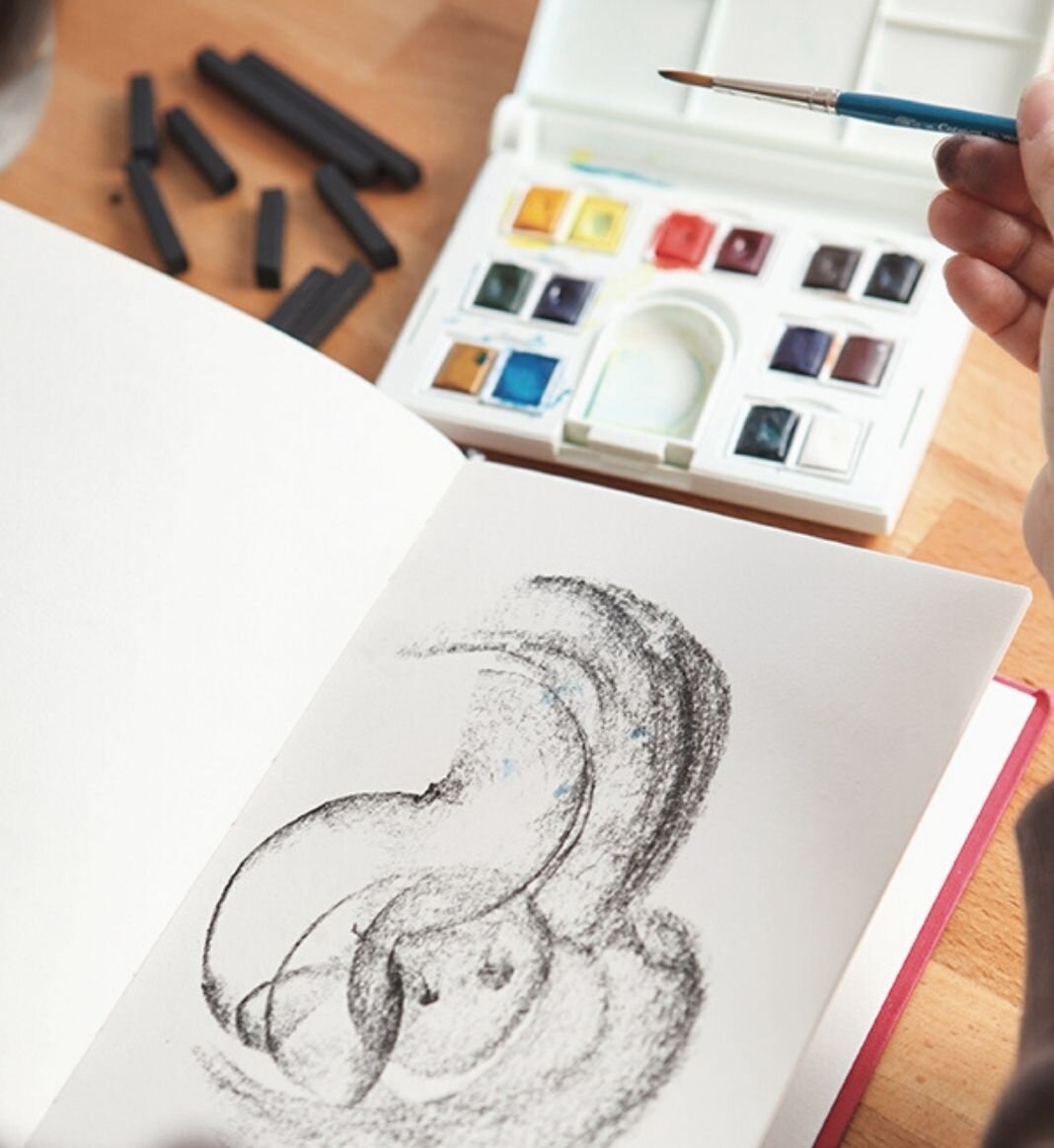
Art therapy is a form of psychotherapy that uses images, materials, symbols and the creative process alongside conversation.
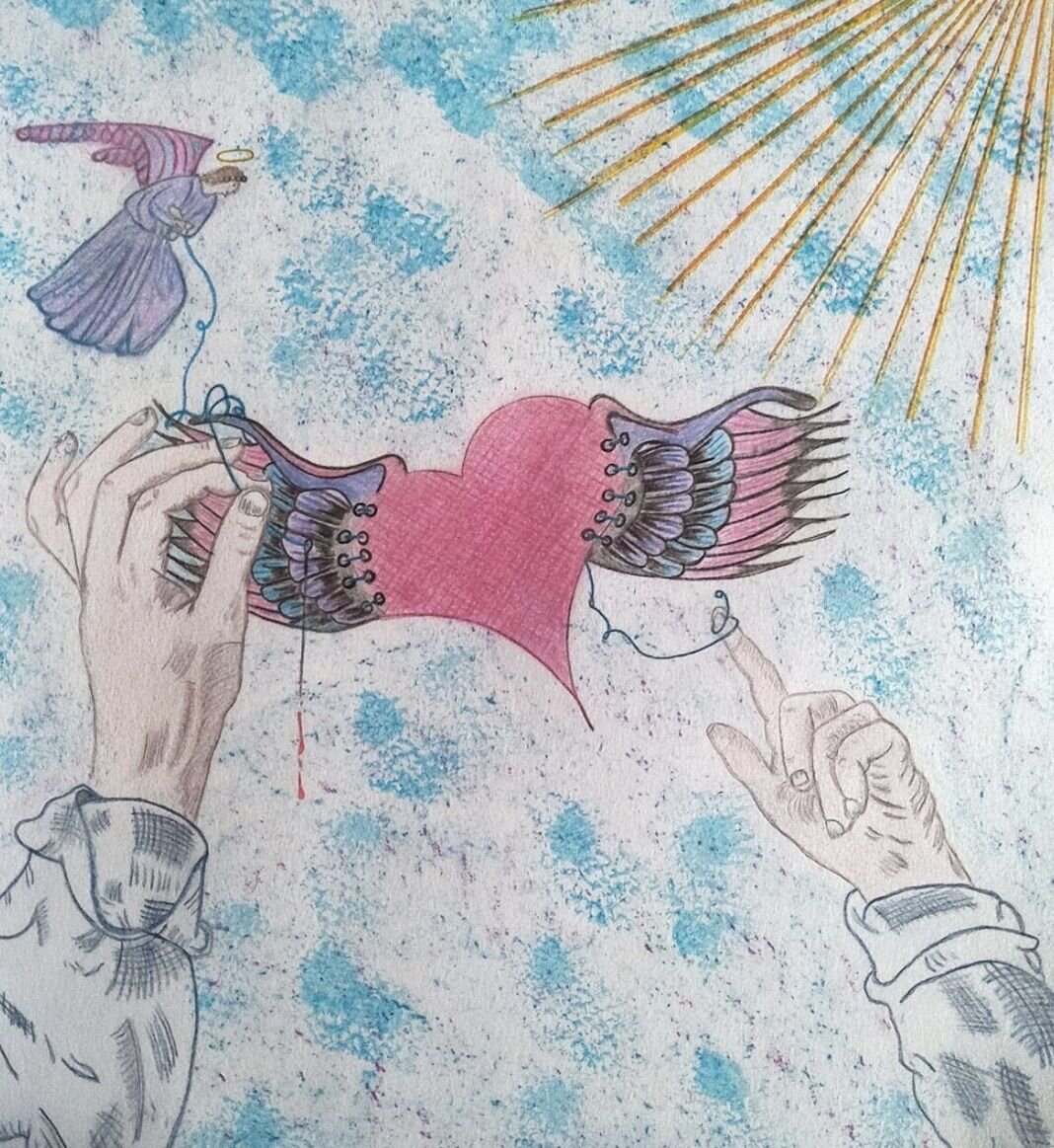
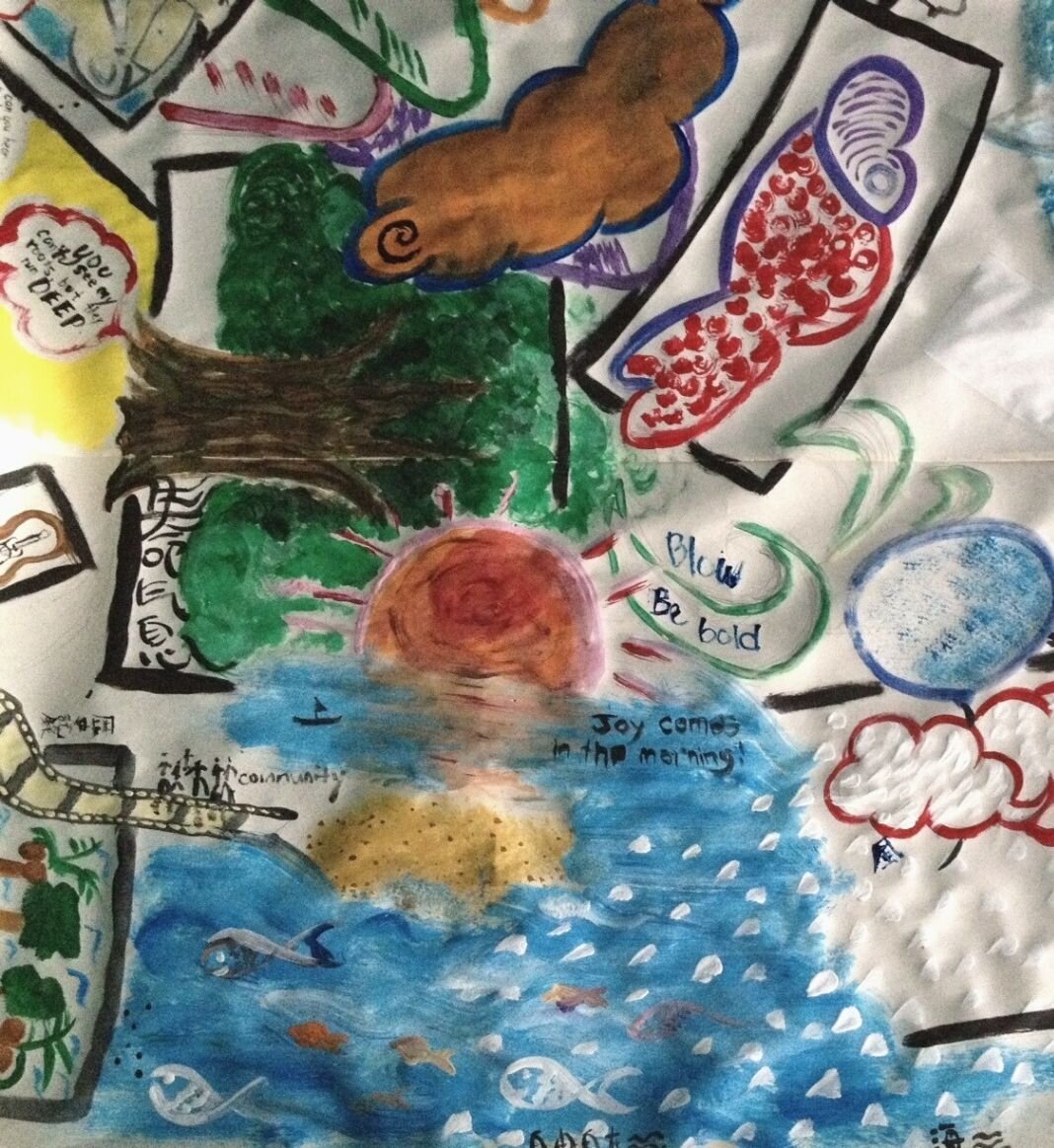
Sometimes words are enough. Sometimes they are not. Art can offer another way to notice, express and make sense of emotions, memories and experiences that may be difficult to explain.
You do not need to be artistic or know how to draw. The focus is not on creating something “good,” but on what becomes possible through the process.
An Integrative Approach
Therapy does not always involve art-making. Depending on your needs, sessions may also integrate verbal psychotherapy, EMDR, sand tray, mindfulness and psychoeducation.

Who We Support
Children & Youth
Emotions, anxiety, transitions, grief and behavioural concerns.
Adults
Trauma, anxiety, grief, relationships and life transitions.
Neurodivergent Clients
Flexible, creative support for different ways of processing and communicating.
Couples
Communication, recurring patterns and emotional connection.
Parents & Families
Support in understanding children’s emotional and behavioural needs.
Meet Our Therapists
Our therapists bring different areas of experience and therapeutic approaches. You are welcome to request a therapist or begin with an inquiry to explore your options.
ChrisB Liu
Registered Psychotherapist (RP), Art Therapist, Clinical Supervisor, EMDR Therapist
Trauma · Neurodivergence · Children,
Youth & Adults
Celia Fung
Registered Psychotherapist (Qualifying), Art Therapist, Registered Nurse
Couples · Identity · Emotional Regulation
Amber Chan
Registered Psychotherapist (Qualifying), Registered Expressive Arts Therapist
Children & Youth · Anxiety · Expressive Arts
How to Begin
1. Send an Inquiry
Reach out by email or through our contact form with a brief description of what you are looking for.
2. Free 15-Minute Phone Consultation
A brief phone consultation to discuss your needs, answer initial questions, review fees and availability, and consider possible next steps.
3. Prepare for Your First Session
If you choose to proceed, we will arrange your first session and send the required intake and consent forms to complete beforehand.
4. Begin Therapy
Your first session offers space to explore your concerns in more depth, discuss your goals, and consider a therapeutic approach that supports your needs.
FAQ
-
No. Art therapy does not require artistic skill or experience. The focus is on the process of expression and exploration, rather than creating something “good” or aesthetically pleasing.
-
Not necessarily. Sessions may include art-making, conversation, EMDR, sand tray, mindfulness or other therapeutic approaches, depending on your needs and preferences.
-
Parent involvement varies depending on the child’s age, needs and treatment goals. Parents may be invited for consultation or check-in sessions while the child’s therapeutic privacy is respected.
-
Yes. Spiritual or faith-related themes can be explored when they are meaningful and welcomed by the client. Psychotherapy is open to people of all cultural, religious and non-religious backgrounds.
-
Receipts are provided according to the therapist’s professional designation. We recommend checking with your insurance provider to confirm your coverage.
-
Yes. You are welcome to request a particular therapist. If you are unsure, you can begin with an inquiry and explore the available options.